
Small yachts are becoming an interesting option for people who appreciate boating but prefer something more manageable than a large vessel. They can be suitable for weekend adventures, fishing trips, short coastal journeys, and relaxing days on the water.
Whether you are exploring boating for the first time or considering purchasing a compact recreational vessel, understanding how tiny yachts work can help you make a better decision.
In this guide, we will explore what a tiny yacht is, its different types, important features, benefits, potential costs, and practical tips for choosing the right one.
1. What Is a Tiny Yacht?
A tiny yacht is a relatively small recreational vessel designed to provide some of the comfort, convenience, and recreational features associated with traditional yachts.
Unlike large luxury yachts that may include multiple bedrooms, professional crews, extensive entertainment areas, and sophisticated onboard facilities, tiny yachts focus on providing essential features within a compact design.
There is no single universally accepted size definition for a tiny yacht. Depending on the manufacturer, design, and intended use, these vessels can range from compact day cruisers to small cabin cruisers and miniature motor yachts.
Some models are designed primarily for relaxing and entertaining guests, while others offer sleeping accommodations, small kitchens, and enclosed cabins.
A tiny yacht can be powered by an inboard engine, an outboard motor, or an electric propulsion system. Sailing versions are also available.
The main idea is simple: enjoy the boating lifestyle without necessarily owning a large or complicated vessel.
2. Why Are Tiny Yachts Becoming Popular?
The appeal of tiny yachts comes from their combination of convenience, functionality, and recreational value.
Many people enjoy spending time on the water but do not need a large yacht. A smaller vessel can offer an alternative that better matches their lifestyle.
Here are some reasons people consider tiny yachts.
More Manageable Size
Large yachts can require professional assistance, extensive maintenance, and considerable storage space.
Tiny yachts are generally easier to handle and may be more suitable for people who want a simpler boating experience.
Their compact dimensions can also make certain docking and maneuvering situations easier, depending on the vessel and conditions.
Flexible Recreational Use
A tiny yacht can support several recreational activities, including:
- Weekend cruising.
- Fishing trips.
- Relaxing near the coastline.
- Exploring suitable inland waterways.
- Spending time with family and friends.
- Enjoying scenic waterfront destinations.
The right vessel depends on where and how you intend to use it.
A More Compact Luxury Experience
A smaller yacht does not necessarily have to look basic.
Some designs feature attractive interiors, comfortable seating, modern navigation equipment, stylish finishes, and practical storage solutions.
These features can make a compact boat feel comfortable without requiring the space of a traditional luxury yacht.
Potentially Lower Ownership Expenses
A smaller vessel may cost less to purchase, store, insure, and maintain than a comparable large yacht.
However, the actual expenses depend on the engine, construction materials, equipment, marina location, insurance coverage, and maintenance requirements.
A lower purchase price does not automatically mean inexpensive ownership.
3. Different Types of Tiny Yachts
Tiny yachts come in several styles. Understanding their differences can help you identify which design best suits your needs.
A. Mini Motor Yachts
Mini motor yachts are compact powered vessels designed for comfortable cruising.
They may include:
- Small cabins.
- Comfortable seating.
- Compact bathrooms.
- Navigation equipment.
- Storage compartments.
- Outdoor relaxation areas.
These yachts are worth considering if you prefer powered boating and want a comfortable space for short trips.
B. Small Cabin Cruisers
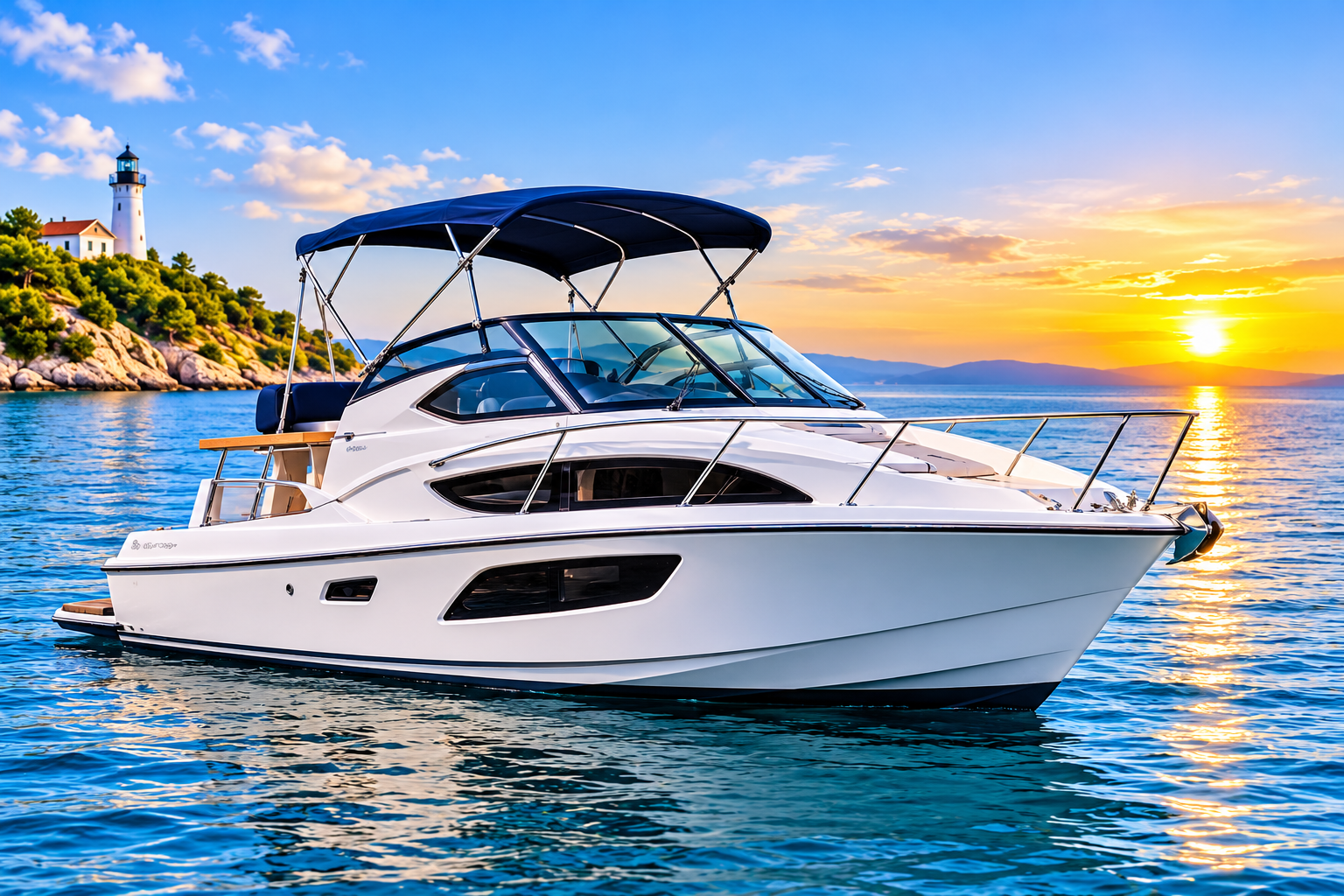
<IMAGE_PLACEHOLDER: Small cabin cruiser floating on calm blue water>
Small cabin cruisers combine recreational boating with basic overnight accommodation.
Depending on the model, they may include a sleeping area, a small galley, seating, and an enclosed space that provides shelter from changing weather.
They can be useful for couples or small families interested in weekend boating.
C. Tiny Sailing Yachts
Tiny sailing yachts use wind power as their primary means of propulsion.
They can appeal to people who enjoy learning sailing techniques and spending time on the water without relying entirely on an engine.
Some models are designed for beginners, while others are intended for experienced sailors.
D. Electric Tiny Yachts
Electric tiny yachts use battery-powered propulsion systems.
Potential advantages include reduced onboard engine noise, fewer direct exhaust emissions during operation, and a different maintenance profile compared with conventional fuel-powered engines.
However, buyers should carefully consider battery capacity, charging access, operating range, and available service support.
E. Compact Luxury Day Boats
Day boats are generally designed for recreational activities without extensive overnight accommodation.
They may feature:
- Stylish seating arrangements.
- Sunbathing areas.
- Swimming platforms.
- Entertainment systems.
- Small storage spaces.
These vessels can be appealing for people who primarily want to enjoy a few hours on the water.
4. Important Features of a Tiny Yacht
Before purchasing a tiny yacht, it is important to understand which features contribute to comfort, functionality, and safety.
Comfortable Seating
Seating is one of the most important features of a recreational yacht.
Look for weather-resistant materials, supportive cushions, and an arrangement that allows passengers to move around safely.
Practical Storage
Storage can be limited on smaller vessels.
Well-designed compartments can help organize life jackets, ropes, cleaning supplies, personal belongings, and other boating equipment.
Navigation Technology
Modern navigation equipment can make boating more convenient.
Depending on the vessel, useful features may include GPS, electronic charts, depth sounders, marine radios, and navigation lights.
Choose equipment appropriate for your intended boating environment.
Cabin and Sleeping Space
If you plan to spend nights aboard, check the actual sleeping arrangements rather than relying on promotional photographs.
Consider ventilation, headroom, privacy, lighting, and access to essential facilities.
Engine and Propulsion
The propulsion system influences performance, fuel consumption, maintenance, and operating range.
Ask about engine condition, service history, horsepower, fuel capacity, and manufacturer recommendations before purchasing.
5. Benefits of Owning a Tiny Yacht
Owning a tiny yacht can offer several advantages for recreational boating enthusiasts.
| Benefit | Why It Matters |
|---|---|
| Compact design | Can be easier to manage than a large yacht |
| Recreational flexibility | Suitable models support different water activities |
| Personal space | Provides a private place to relax |
| Smaller storage footprint | May require less space than larger vessels |
| Customization | Some models allow practical upgrades |
| Boating enjoyment | Offers opportunities to explore waterways |
More Opportunities for Outdoor Activities
A tiny yacht can provide access to enjoyable outdoor experiences.
You can explore suitable waterways, watch sunsets, enjoy waterfront scenery, or spend quality time with friends and family.
Less Complicated Ownership
A simple vessel with fewer onboard systems may be easier to maintain than a large yacht.
However, every boat requires regular inspections, cleaning, equipment checks, and mechanical servicing.
Suitable for Different Lifestyles
Some people prefer fishing, while others enjoy relaxing cruises or sailing.
Choosing a tiny yacht based on your primary activity can help you avoid paying for features you rarely use.
6. How Much Does a Tiny Yacht Cost?
The price of a tiny yacht varies considerably depending on its size, manufacturer, materials, equipment, engine, and condition.
A basic used recreational vessel may be considerably less expensive than a newly manufactured compact luxury yacht.
Instead of assuming that all tiny yachts fall into one price category, compare individual models and their specifications.
Here are the main expenses to consider.
Initial Purchase Price
The purchase price depends on whether you choose a new or pre-owned vessel.
New yachts may include manufacturer warranties and updated equipment, while used boats can offer different purchasing opportunities.
Always arrange an independent marine survey when appropriate.
Docking and Storage
Marina fees can become a significant ownership expense.
The amount depends on location, vessel dimensions, storage arrangements, and the services provided by the marina.
Fuel or Charging
Fuel-powered yachts require ongoing fuel expenses.
Electric models require suitable charging arrangements and may involve battery replacement costs over their service life.
Maintenance and Repairs
Regular maintenance can include:
- Engine servicing.
- Hull cleaning.
- Electrical inspections.
- Battery maintenance.
- Propeller inspections.
- Safety equipment replacement.
- Interior cleaning.
Insurance and Registration
Insurance costs depend on the vessel, intended use, location, coverage, and other underwriting factors.
Registration and documentation requirements also vary depending on the vessel and jurisdiction.
7. How to Choose the Right Tiny Yacht
Choosing a tiny yacht requires more than selecting an attractive design.
The best vessel is one that matches your budget, experience, intended activities, and boating environment.
Identify Your Main Purpose
Start by deciding how you plan to use the yacht.
For example:
- Choose a day boat for short recreational outings.
- Consider a cabin cruiser for overnight trips.
- Explore a sailing yacht if you enjoy wind-powered boating.
- Consider an electric yacht if its range and charging requirements suit your needs.
Consider the Number of Passengers
Check the manufacturer’s maximum passenger capacity and weight limitations.
A vessel that comfortably accommodates two people may not be appropriate for a larger family.
Remember that passenger capacity is a safety consideration, not simply a seating measurement.
Check Build Quality
Examine the hull, deck, fittings, electrical systems, and structural components.
Look for visible cracks, corrosion, water intrusion, damaged upholstery, and signs of previous repairs.
A qualified marine surveyor can help identify problems that may not be obvious during a casual inspection.
Evaluate Engine Performance
Ask for maintenance records and inspect the engine with a qualified technician.
For a used yacht, pay attention to starting performance, unusual noises, fluid leaks, cooling systems, and corrosion.
Compare Storage and Docking Requirements
Before purchasing, confirm that you have a suitable place to store the vessel.
Check marina availability, trailer requirements, bridge clearances, and local restrictions where relevant.
Take a Sea Trial
A sea trial allows you to evaluate how the yacht performs under actual operating conditions.
Pay attention to handling, acceleration, visibility, steering, vibration, and passenger comfort.
Whenever possible, have an experienced operator or marine professional assist.
8. Tiny Yacht Maintenance Tips
Regular maintenance helps protect your investment and supports safer boating.
Here are some useful maintenance practices.
Clean the exterior regularly: Remove salt, dirt, and debris after boating, particularly if the vessel operates in saltwater.
Inspect the hull: Look for cracks, damage, corrosion, and unusual wear.
Maintain the engine: Follow the manufacturer’s recommended servicing schedule.
Check electrical systems: Inspect batteries, wiring, navigation lights, and electrical connections.
Protect the interior: Use appropriate cleaning products and maintain ventilation to reduce moisture-related problems.
Inspect safety equipment: Check life jackets, fire extinguishers, communication equipment, and emergency supplies.
Keeping a maintenance log can make it easier to track inspections, repairs, and servicing dates.
9. Safety Tips for Tiny Yacht Owners
Safety should always be a priority, regardless of the vessel’s size.
A small yacht is still a boat, and changing weather, mechanical problems, and unexpected water conditions can create risks.
Consider these essential practices:
- Wear an appropriate U.S. Coast Guard-approved life jacket.
- Check weather and water conditions before departure.
- Carry suitable communication and navigation equipment.
- Avoid overloading the vessel.
- Learn basic navigation rules.
- Keep emergency equipment accessible.
- Never operate a boat under the influence of alcohol or drugs.
- Tell someone your intended route and expected return time.
The U.S. Coast Guard recommends carrying an approved wearable personal flotation device for every person aboard a recreational vessel. Children under 13 must generally wear an appropriate approved life jacket while a recreational vessel is underway, subject to applicable exceptions and state requirements.
For additional guidance, consult the official U.S. Coast Guard Boating Safety website.
You can also review the Coast Guard’s Guide to Federal Requirements for Recreational Boats.
10. Frequently Asked Questions About Tiny Yachts
1. What is considered a tiny yacht?
A tiny yacht is generally a compact recreational vessel that offers some yacht-style features in a smaller design. It may include seating, navigation equipment, a cabin, or other recreational facilities. There is no universally accepted size definition.
2. Are tiny yachts suitable for beginners?
Some tiny yachts can be suitable for beginners, particularly models designed for simple recreational operation. However, beginners should learn boating safety, navigation, handling, and applicable local regulations before operating a vessel.
3. Can you sleep on a tiny yacht?
Yes, certain tiny yachts include sleeping accommodations. Small cabin cruisers and some compact motor yachts may provide beds or convertible seating areas. Always check the available space and onboard facilities before purchasing.
4. Are tiny yachts expensive to maintain?
Maintenance expenses depend on the vessel’s construction, engine, equipment, age, and usage. Smaller yachts may have lower maintenance costs than larger vessels, but they still require regular servicing, inspections, cleaning, and repairs.
5. What is the difference between a tiny yacht and a regular yacht?
The primary difference is size, capacity, and onboard facilities. Traditional yachts may offer extensive living spaces and sophisticated systems, whereas tiny yachts focus on compact layouts and essential recreational features.
6. Can a tiny yacht travel long distances?
Some compact yachts are designed for longer journeys, while others are intended primarily for protected waters and short recreational trips. Always check the manufacturer’s operating limitations, fuel capacity, range, stability, and safety equipment before planning a journey.
7. Is a tiny yacht a good investment?
A tiny yacht can be a worthwhile lifestyle purchase for someone who enjoys boating. However, boats generally involve ongoing expenses and can depreciate. Buyers should evaluate ownership costs, resale value, maintenance requirements, and personal usage rather than assuming financial returns.
Conclusion
A tiny yacht offers an appealing way to enjoy boating without necessarily taking on the size and complexity of a traditional luxury yacht .From compact motor yachts and cabin cruisers to sailing boats and electric models, there are different options for people with different interests and budgets.The key to making the right choice is understanding your intended use, checking the vessel’s construction and specifications, evaluating ownership expenses, and prioritizing safety.
Whether you want relaxing weekend cruises, fishing adventures, or comfortable days on the water, the right tiny yacht can make those experiences more accessible.
Take time to compare available models, inspect the vessel carefully, and choose a design that fits your lifestyle. A well-selected small yacht can provide years of enjoyable recreational boating.