
 By Xanti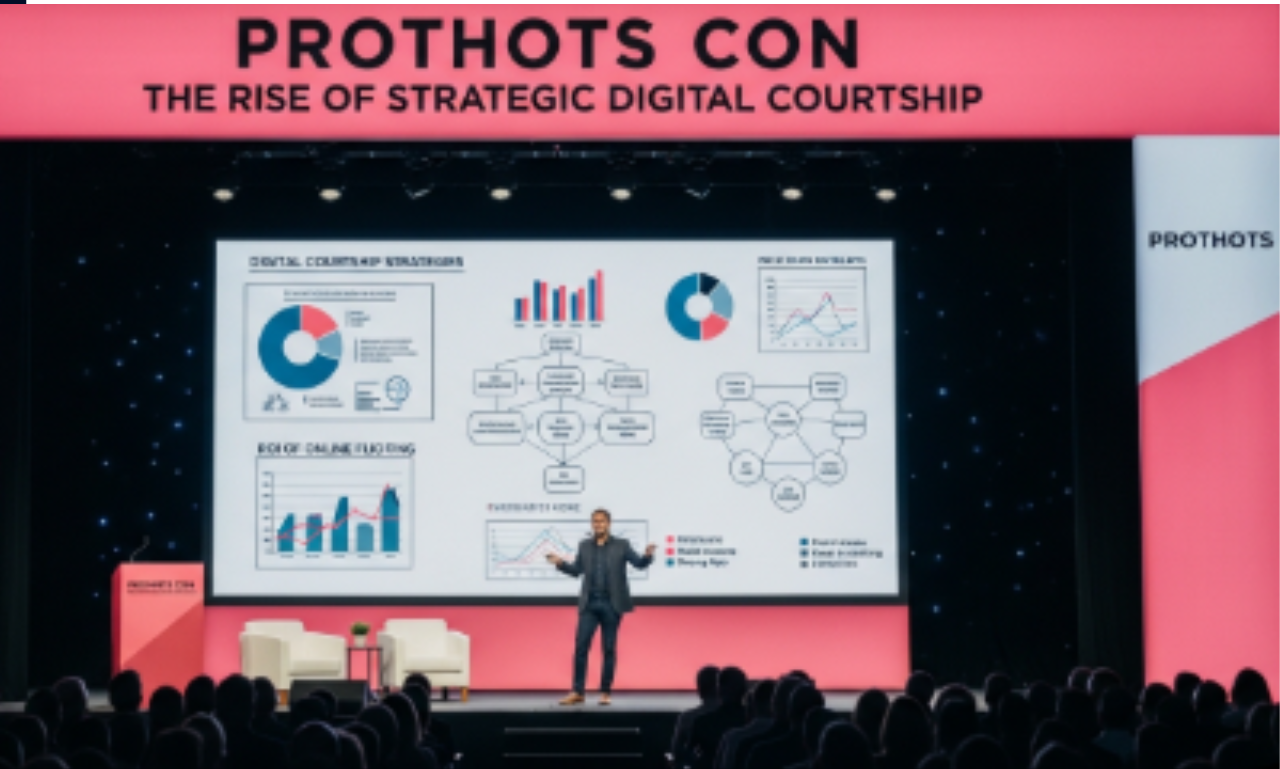
In the ever-evolving landscape of online dating and social media, a new archetype has emerged: the “Pro Thot.” Far from a derogatory label, within certain digital circles, it has been appropriated to describe a strategic, high-agency individual who leverages dating apps, live streams, and subscription platforms for financial gain and personal branding.
Enter Prothots Con—a hypothetical but increasingly necessary gathering for these digital strategists. This article explores what this convention represents for modern gig economy workers.
What is Prothots Con?
Prothots Con is conceptualized as a hybrid networking event and mastermind summit. Unlike traditional marketing conferences, it focuses on monetizing attention through dating mechanics. Attendees share tactics on:
-
Algorithm manipulation on Tinder, Hinge, and Bumble.
-
Conversion rate optimization (CRO) for subscription links.
-
Legal and tax strategies for digital SW (sex work) adjacent income.
The Core Pillars of Prothots Con
| Pillar | Description | Key Skill |
|---|---|---|
| Acquisition | Matching volume to chat ratio | Swipe analytics |
| Retention | Moving from app to premium platform | Soft scripting |
| Monetization | Tiered pricing for digital intimacy | Pay-per-view frameworks |
| Legal Safety | Geo-blocking and identity protection | VPN & DMCA takedowns |
Why Now? The $1.5B Creator Economy
The rise of “Prothots” mirrors the explosion of the creator economy. According to industry data, dating-led traffic converts 4x higher than traditional social ads. Prothots Con addresses the isolation of solo operators by offering:
-
Burnout prevention (emotional labor management).
-
Chargeback mitigation strategies.
-
Cross-platform funnel building (IG → Linktree → OF).
The Controversy
Critics argue that “Prothots Con” gamifies emotional manipulation. Defenders counter that it simply formalizes what has always existed: charm as commerce. The convention’s ethics panel would likely debate the line between persuasion and deception.
Conclusion
Prothots Con, whether real or theoretical, signals a maturation of the digital hustle era. It moves the conversation from shame-based labeling to tactical professionalism. For the modern creator who treats dating apps as a lead generation platform, such a convention is not just relevant—it is essential. The key takeaway: Strategic authenticity wins. Those who treat followers as numbers lose, while those who build systems around genuine (albeit monetized) connection thrive.
FAQs
Q1: Is Prothots Con a real event?
A: As of this writing, there is no official trademarked “Prothots Con.” However, smaller niche meetups for dating-app entrepreneurs and adult creators (e.g., Xbiz Creator Summit) serve a similar function.
Q2: Who typically attends such a convention?
A: Hypothetical attendees include OnlyFans managers, “sugar baby” consultants, dating coaches, social media ghostwriters, and legal experts specializing in digital sex work.
Q3: Is it legal to convert dating matches into paid subscribers?
A: It depends on the platform’s ToS. Tinder and Bumble explicitly forbid commercial solicitation. Prothots Con would heavily emphasize moving conversations off-app before any transactional mention.
Q4: What is the average ROI for tactics discussed at Prothots Con?
A: Purely anecdotal data suggests top-tier “Prothots” convert 5-10% of dating matches into $20-100/month subscribers. The convention focuses on improving that rate through scripting and automation.
Q5: Does attending make someone a bad person?
A: No. Like any marketing skill, the ethics lie in disclosure. Prothots Con would likely champion “no fakery” policies—meaning don’t promise love you don’t intend to give. Transactional relationships are fine; love scams are not.